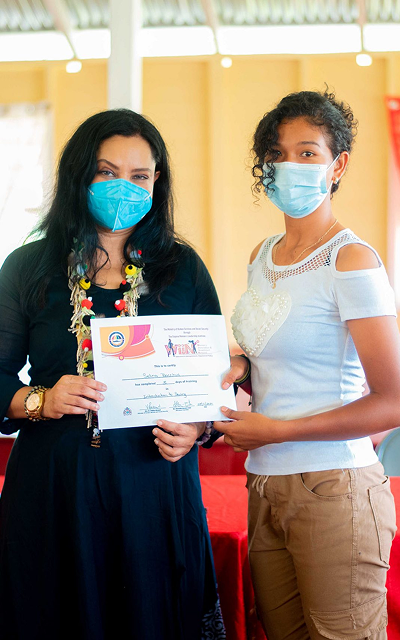
Participants from three districts joined a six-month blended course combining short residential workshops, one-on-one advocacy coaching, and practical assignments with their municipal offices. Each trainee drafted a short policy brief addressing a specific local gap — from gender-sensitive shelter design to inclusive early warning messaging.
At a regional policy roundtable in September, 18 women presented their briefs to municipal councilors and DRR officers. Two municipalities — a hill municipality in Province 3 and a riverside municipality in Province 2 — publicly committed to integrating gender-responsive budget lines for emergency shelters and to including women representatives formally in ward-level DRR committees.
“Policies must reflect the realities of those most affected,” said Laxmi BK, a program participant who led community consultations and presented a brief on accessible shelters. “We showed them the evidence — who is displaced, which shelters are used, who cannot access assistance if we don’t design for them. When we presented facts alongside voices from the community, policymakers listened.”
Beyond measurable policy wins, the program created practical bridges: municipal officials who previously viewed community groups as recipients now invited women leaders to participate in contingency planning. The approach grew from a simple premise: advocacy is most powerful when backed by field data and when women are supported to speak directly to decision-makers.
WHDRR continues to support these advocates with follow-up coaching, templates for budget proposals, and a peer forum where new graduates share lessons. The early result — two municipalities changing plans and budgets — shows how structured support transforms grassroots experience into systemic change.