Mobilizing Rapid Action
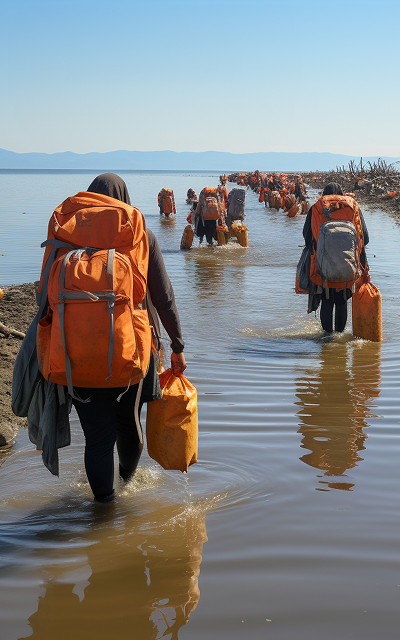
Without waiting for external aid, WHDRRP members across nearby districts raised voluntary funds, tapped their peer networks, and gathered emergency supplies.
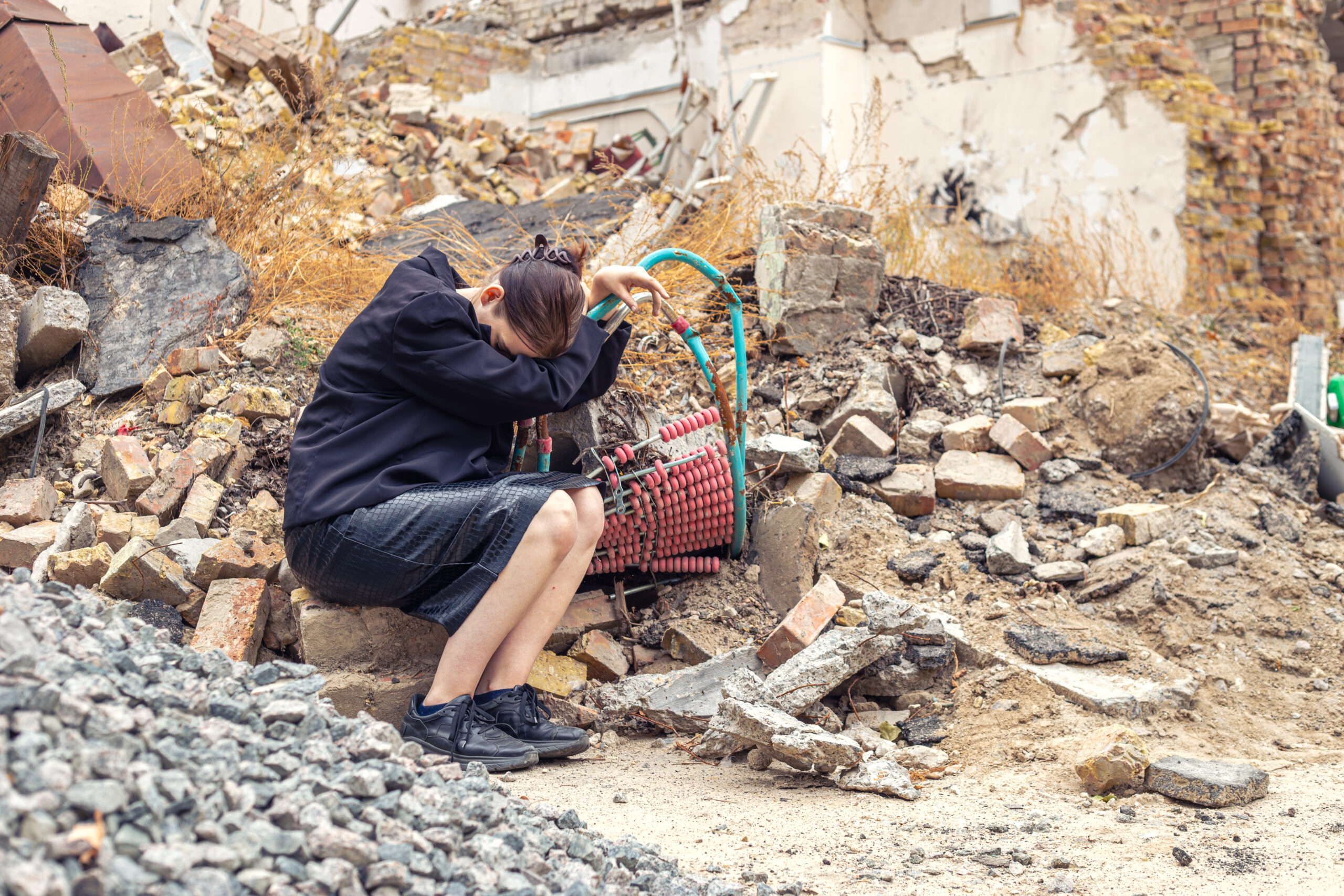
The team coordinated with local municipalities and community-based organizations to identify the most vulnerable households — single women, persons with disabilities, lactating mothers, and LGBTQI+ individuals — who were often excluded from traditional relief mechanisms.
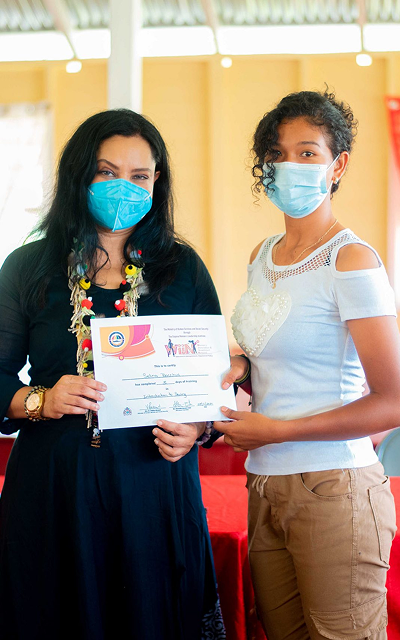
Through local volunteers and women responders, they reached flood-affected settlements with relief packages that were both gender-sensitive and context-specific, including hygiene kits, warm clothing, and menstrual supplies.
“In those first days, women were not just recipients of aid — they were leading it,” recalled Mina Shrestha, a WHDRRP coordinator from Sindhupalchok.
“We knew who needed help because we were part of those communities.”