Response & Recovery
Preparedness
13/11/2024 12:00 pm

Melamchi Flood Response – Rapid Action

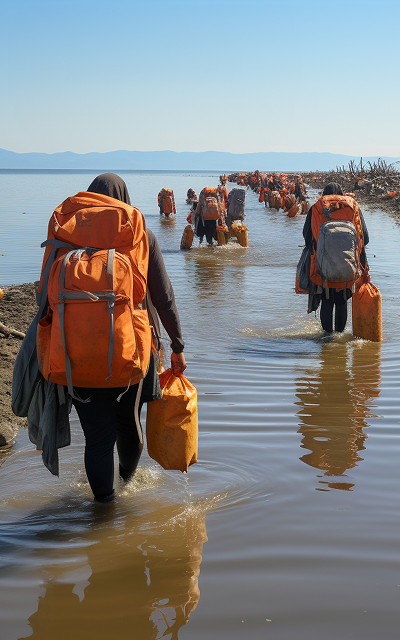
When torrential rains triggered devastating floods in Melamchi in 2021, roads, bridges, and homes were swept away within hours. For most responders, access was impossible. But within 48 hours, members of the Women Humanitarian and Disaster Risk Reduction Platform (WHDRRP) had already mobilized a coordinated, women-led response — proving that readiness and compassion can move faster than bureaucracy.

Mobilizing Rapid Action

Without waiting for external aid, WHDRRP members across nearby districts raised voluntary funds, tapped their peer networks, and gathered emergency supplies. The team coordinated with local municipalities and community-based organizations to identify the most vulnerable households — single women, persons with disabilities, lactating mothers, and LGBTQI+ individuals — who were often excluded from traditional relief mechanisms. Through local volunteers and women responders, they reached flood-affected settlements with relief packages that were both gender-sensitive and context-specific, including hygiene kits, warm clothing, and menstrual supplies. “In those first days, women were not just recipients of aid — they were leading it,” recalled Mina Shrestha, a WHDRRP coordinator from Sindhupalchok. “We knew who needed help because we were part of those communities.”

Safe Spaces for Recovery

Beyond material relief, WHDRRP teams established temporary safe spaces for women and girls — quiet corners within shelters where they could rest, receive basic psychosocial support, and access dignity kits. Local youth volunteers and health workers were engaged to ensure safety and privacy, setting a new precedent for protection-sensitive response during emergencies.

Impact and Recognition

Within the first week, the women-led operation reached over 300 households, prioritizing vulnerable and often invisible populations. The initiative demonstrated that decentralized women’s networks, when supported with minimal resources, can deliver fast, coordinated, and inclusive response. Government agencies later cited the Melamchi experience as a model for local coordination, and several WHDRRP members were subsequently invited to join municipal emergency task forces.

Lessons Learned

Speed through solidarity: When women responders trust each other and act collectively, aid reaches those who need it most — first. Inclusion saves lives: Relief that considers gender, disability, and diversity prevents harm and strengthens trust. Preparedness enables action: Prior training and peer networks turn empathy into efficiency during crises.

Impact Snapshot

300+ households reached in first week 40 women responders mobilized across 3 municipalities Safe spaces established for 50+ women and girls Recognition by municipal governments for coordination efficiency

Together, We Build Resilience

Be part of a growing network of women humanitarians and partners working for safer, stronger, and more inclusive communities.

Stories and Trainings that Inspire Action

From national forums to local drills, WHDRR’s events bring women professionals, community responders, and partners together to strengthen resilience where it matters most.

18/11/2025 12:00 am

From Trainee to Trainer — A Graduate’s Journey

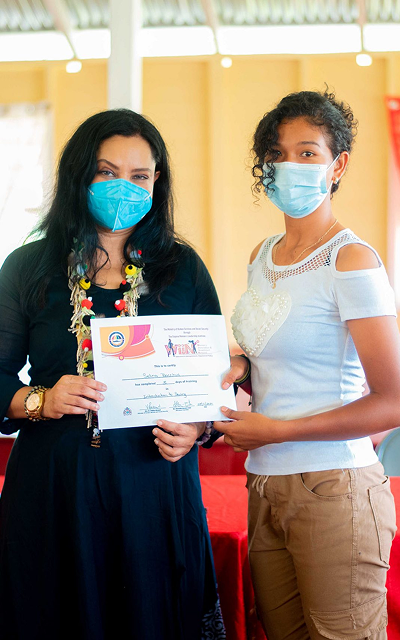
When Sushma Shrestha first joined WHDRR’s Rapid Humanitarian Response Train…
04/11/2024 12:00 am

Women Advocates Shape Local DRR Plans

Policy changes can feel distant from village life — budgets, committees, and w..
10/06/2024 12:00 am

Women Lead Early Warning in Saptari

When monsoon rivers swelled in Saptari in 2024, something different happe…